Prescriptions and burn plans are not independent documents. When they are written in isolation, ecological intent gets lost, burn plans become interpretive, and burn teams are left making field decisions without a clear feedback loop to improve future planning. Regardless of the fuel type, the approach is the same.
This three-day workshop focuses on writing prescriptions and burn plan elements together as a single planning system, so what is written on paper translates directly into operations on the ground.
Who This Is For - This course is for practitioners who write, review, or support prescriptions and burn plans in forestry, fuels management, ecosystem restoration, and wildfire risk reduction. It helps professionals carry clear ecological and resource management direction into implementation, and helps burn plan writers recognize what should already be defined in the prescription, what is missing, and when to bring the appropriate professional back into the process.
What You’ll Walk Away With
By the end of this workshop, you will be able to:
Develop your own project or choose from a provided scenario as we move through the learning objectives
Develop prescriptions and burn plan elements as an integrated planning system that supports real-time decision-making on burn day
Write prescriptions so burn teams can develop burn plans without requiring reinterpretation or additional professional sign-off
Translate objectives into clear fire behaviour logic, treatment layout, and ignition intent across both documents
Design stratification and plots based on fuels, fire behaviour, and objectives, not just timber layouts
Apply intermediate fire behaviour knowledge to treatment design
Build monitoring directly into prescriptions so outcomes can be evaluated, defended, and adapted over time
Use time, budget, and field effort more effectively
Produce prescriptions that can be implemented by a Burn Boss without reworking or guesswork
Engage with a panel of experienced practitioners on prescribed fire application, collaboration, and professional obligations
You will leave with a comprehensive manual to guide future prescription development, along with a values-based checklist that can be applied across fuels, ecosystem restoration, Indigenous contexts and municipal projects, all written through a fire lens.
What Makes This Course Different This course is grounded in how prescriptions and burn plans are used, reviewed, and challenged in real programs. The focus is on professional judgment, operational feasibility, and documenting fire behaviour, ecology, and fire effects logic in a way that supports implementation and adaptive management.
Course Format The workshop runs over three days and combines field and classroom learning. Participants work through real-world scenarios, focusing on how objectives, fire behaviour expectations, treatment design, ignition strategy, and monitoring align across both documents. While we use BC provincial templates as the working framework, the course focuses on planning principles, fire behaviour logic, and integration that are applicable across Canada.
Instructor and Panel Instructor: Colleen Ross, Registered Professional Forester, AFE Certified Wildland Fire Ecologist, and practicing Burn Boss. The course includes a panel of experienced professionals who will speak to prescribed fire use, working with burn teams and clients, integrating fire into prescriptions, and professional obligations (see agenda).
Details The course is held in Cranbrook, British Columbia. The offering is set at $750 CAD and includes 24 CPD hours plus pre-course preparation. Registration is limited to 24 participants and 2026 was left with a waiting list. This is the only integrated prescriptions and burn planning workshop I’m running in 2027.
Prerequisites / Recommended Experience This course builds directly on intermediate fire behaviour concepts (e.g., S-390). While not required, completing S-390 or equivalent is recommended so fuel typing and fire behaviour assumptions are defensible.
2026 Participant Feedback
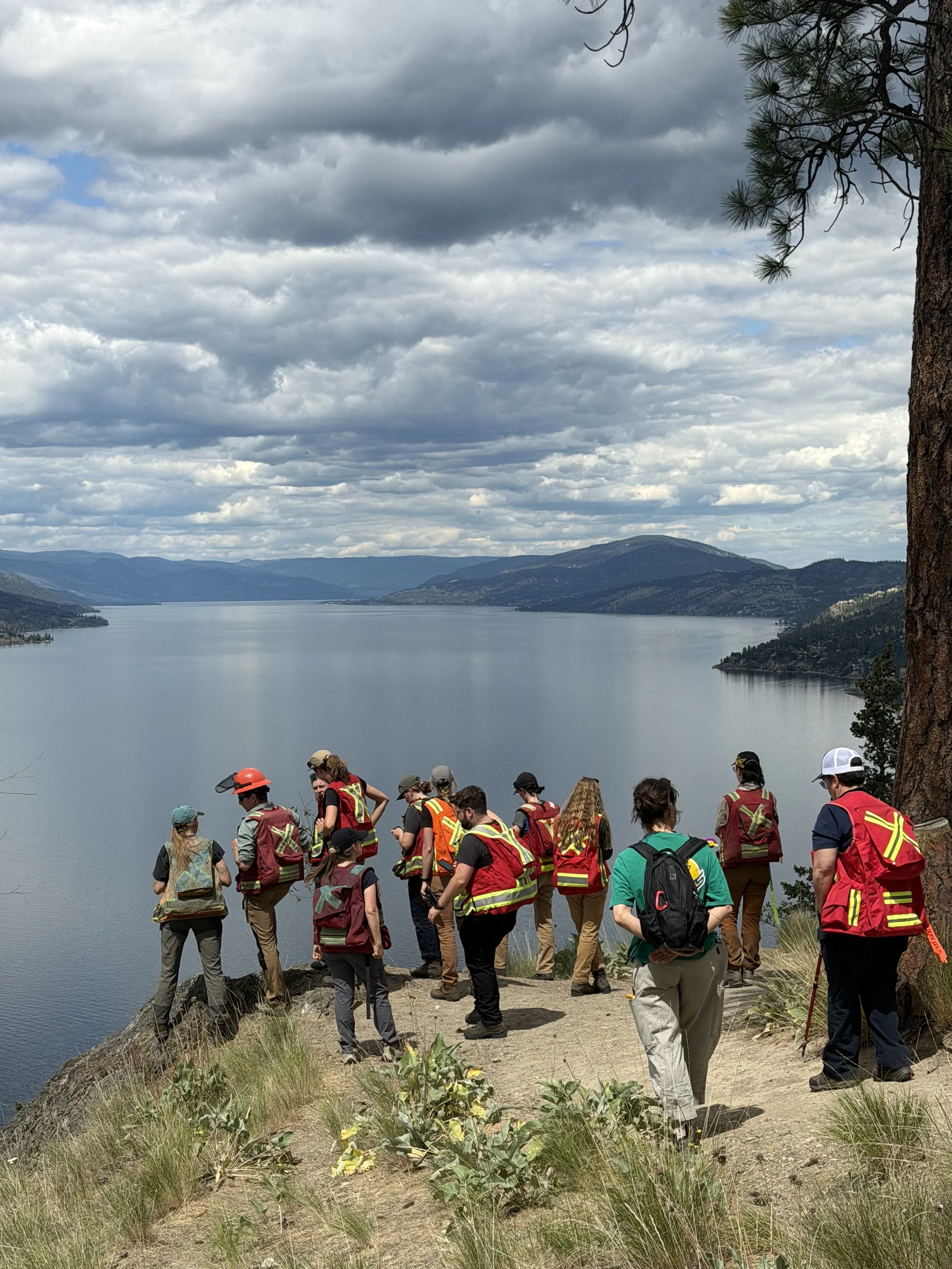
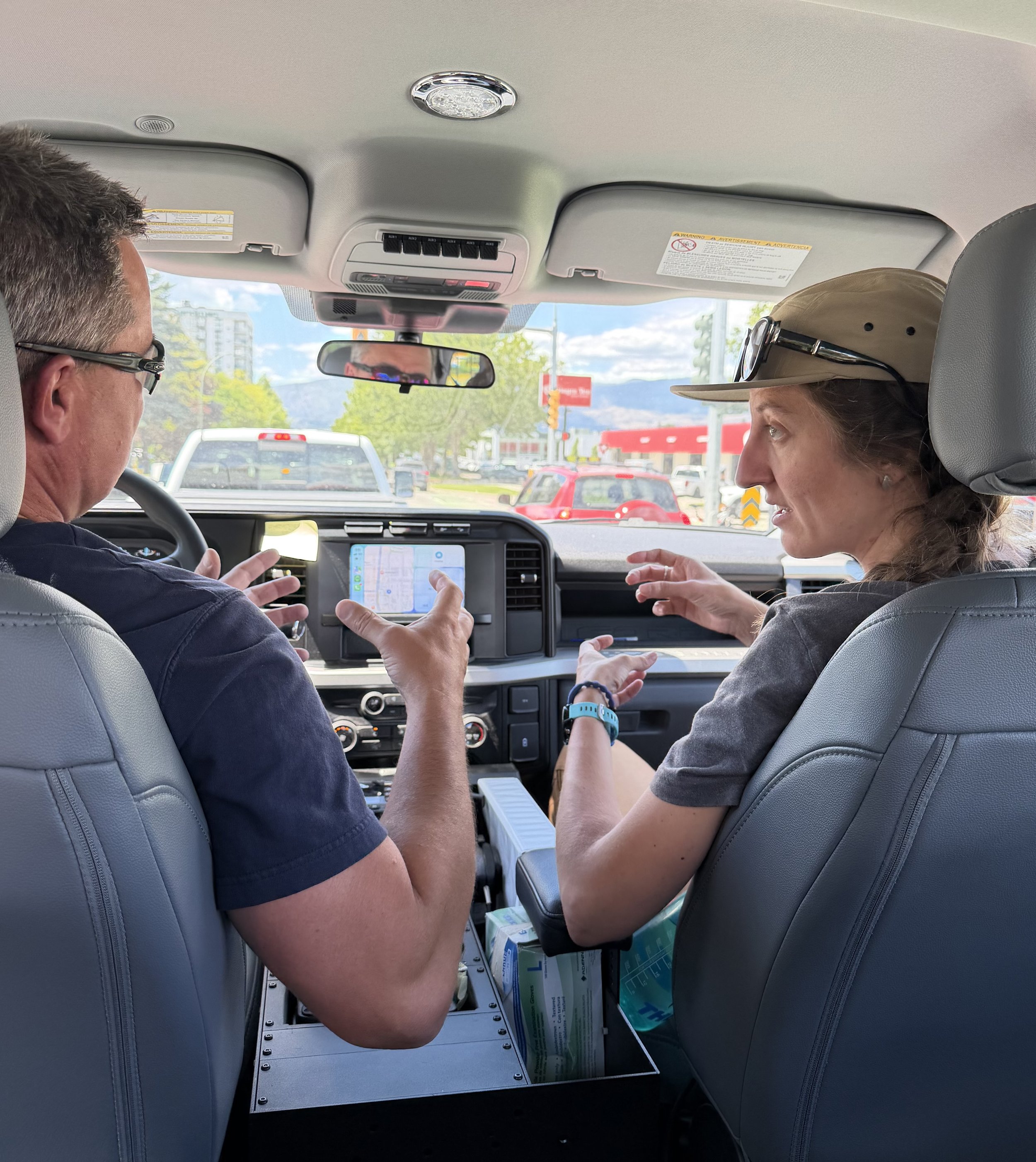
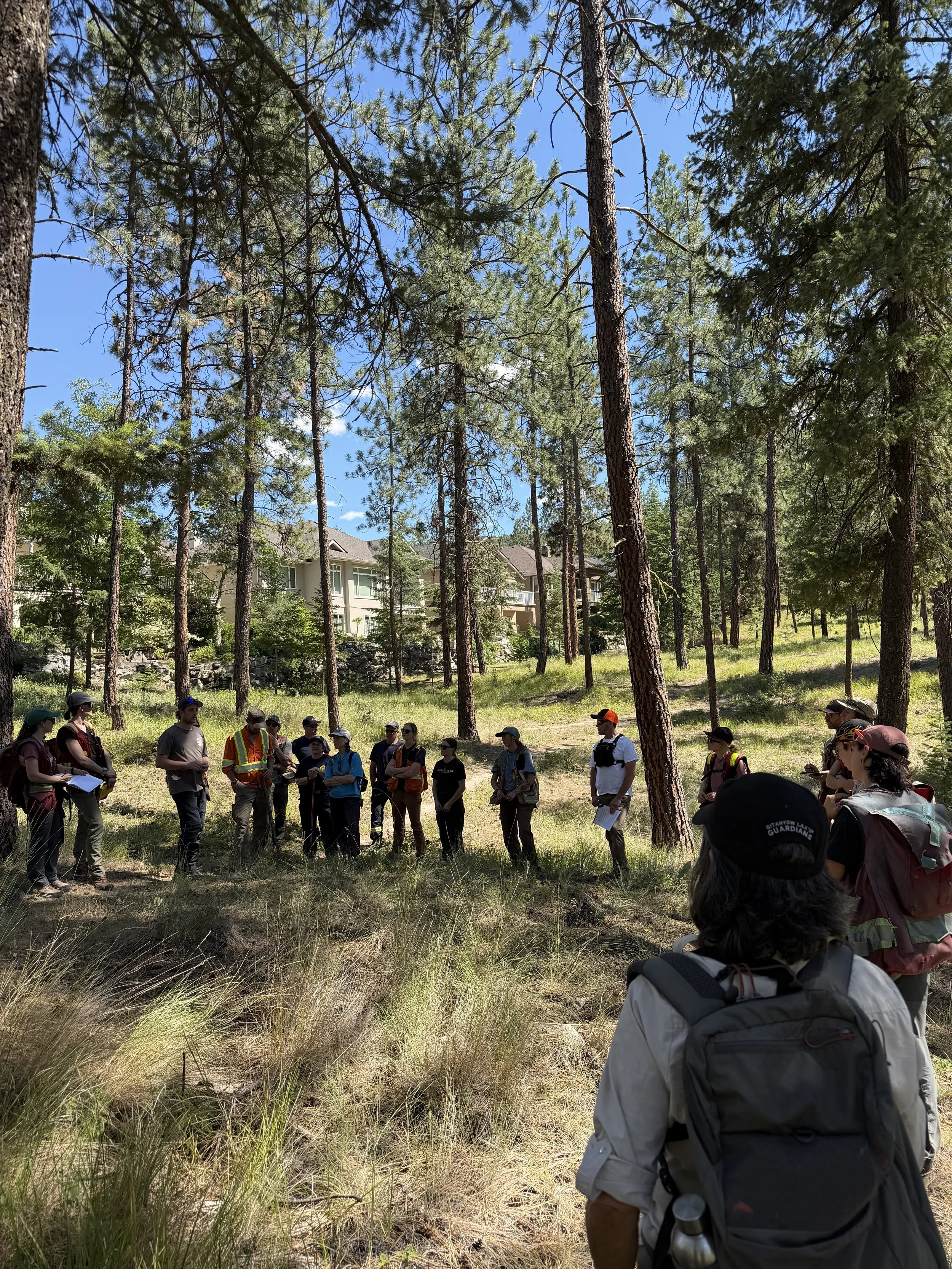
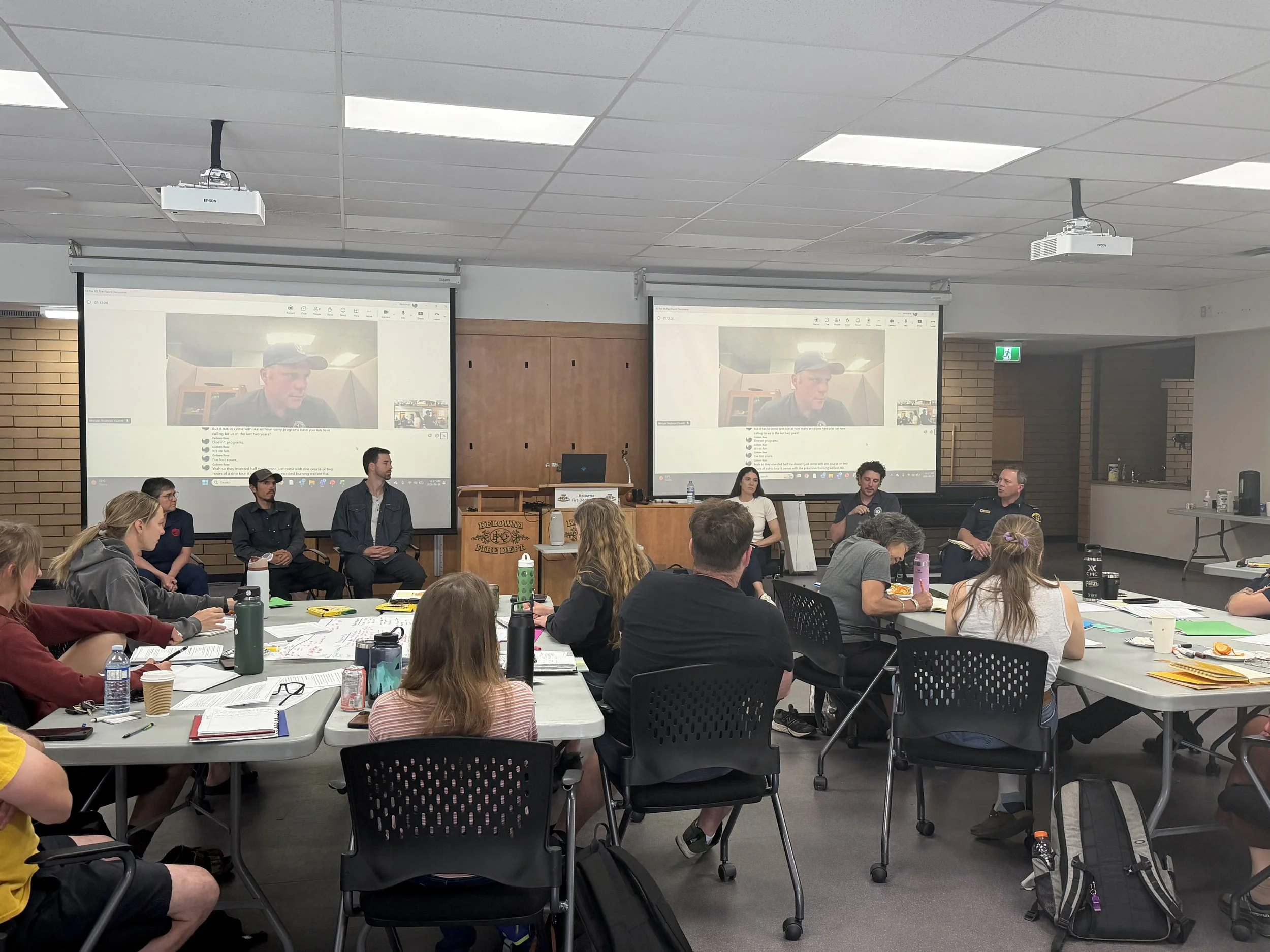
Participant feedback helps shape new course content, practical exercises, case studies, and field components. With practitioners representing ecosystems and operational environments from across British Columbia, this workshop became richer, more relevant, and more representative of the diversity of prescribed fire challenges across the province. In addition to some minor improvements to accommodate the complexities found across fire management, overall participants consistently described the workshop as:
Practical, engaging, and immediately applicable to their work.
Led by a knowledgeable instructor, guest speakers and panel members with extensive operational experience.
Rich in real-world examples and collaborative learning opportunities.
An excellent balance of classroom instruction, discussion, and field application.
A valuable opportunity to build professional networks across agencies, First Nations, municipalities, consultants, and industry.
Supported by high-quality course materials, visuals, and field resources.
Perhaps the most rewarding feedback was hearing that participants left with new professional connections, greater confidence in prescribed fire planning, and tangible changes they intend to make in their own projects, from engaging collaborators earlier and listening more closely to the land and rights holders, to building stronger prescriptions that support the safe and effective return of good fire to the landscape. Feedback for updates have been incorporated into the 2027 content. Thank you!