S390 Intermediate Fire Behaviour Supporting Material
-
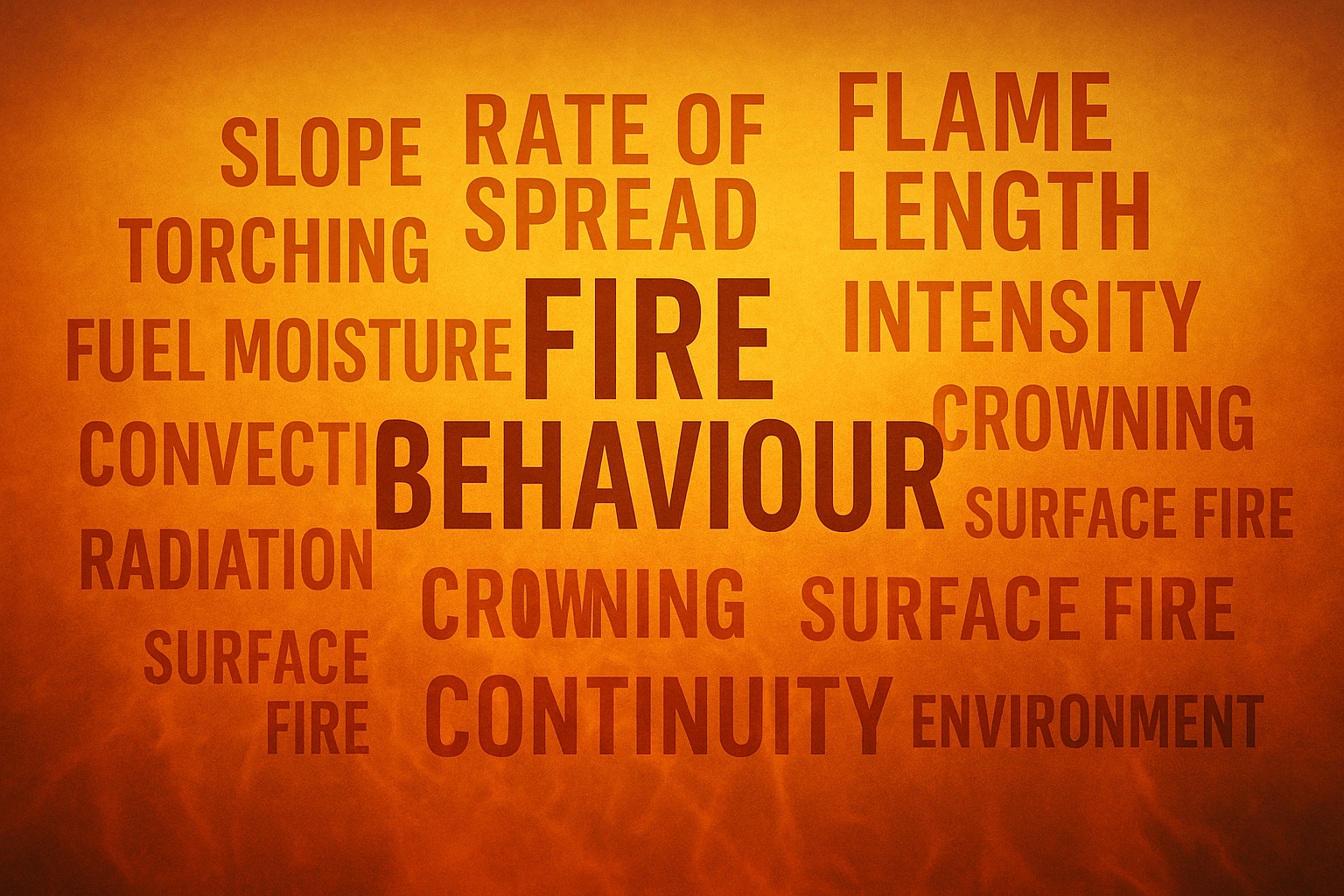
Glossary
Understanding and using consistent fire behaviour terminology is essential for clear communication and effective decision-making. The terms in this section form the foundation of S-390 and will help you interpret fire environment data, describe observed behaviour, and apply the Fire Behaviour Prediction (FBP) System with confidence.
-

Apps
These mobile and desktop apps help bridge classroom theory with field application. They allow you to visualize weather, model fire behaviour, and stay situationally aware during prescribed fire or wildfire operations. Each app supports decision-making and reinforces the concepts introduced throughout this course.
-

Reference Material
These online tools and references will help you connect the theory of fire behaviour to real-world conditions. They support the use of weather data, fire behaviour prediction systems, and operational awareness tools introduced throughout this course.
Have a good resource? Pass it along.
Fire Behaviour Cheat Sheets
Turn the numbers into something you can use on the line. These cheat sheets take the indices, formulas, and thresholds we all stare at and translate them into plain-language cues you can apply in real time.
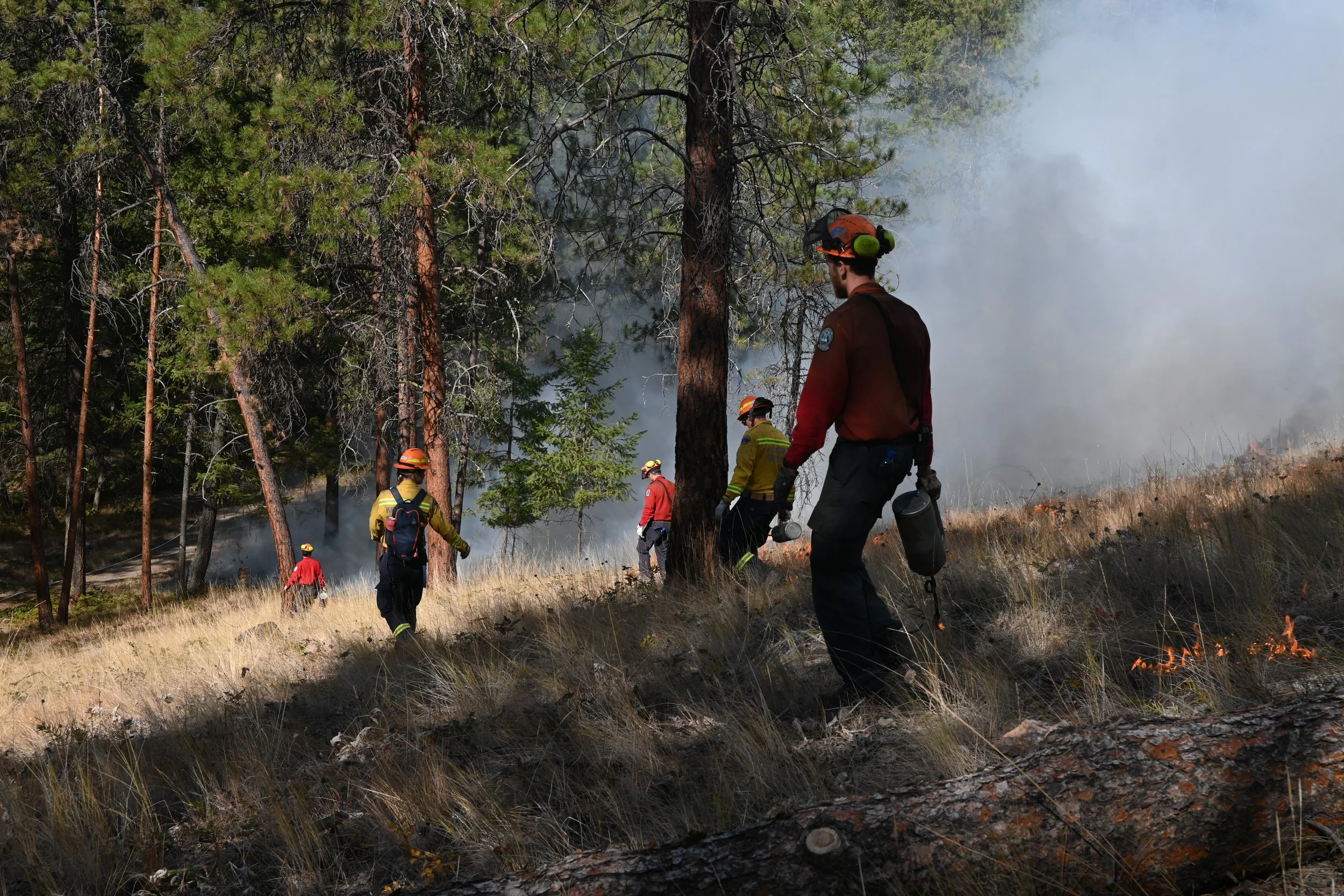
Additional Fire Behaviour Exercises
Fire behaviour prediction is a skill that only sticks through repetition. The more you practice running models, comparing outputs, and writing short, relatable briefings, the faster you’ll begin to “see” fire before it burns. Each calculation helps you link numbers to what you’ll feel in the field; heat, wind, slope, fuel, and the flow of energy.
These exercises below are about developing the intuition to brief your crew confidently and adjust tactics in real time. I’ve designed three additional practice scenarios with full answer keys that reflect real-world fire conditions. Work through them, test your reasoning, and build your confidence in interpreting primary outputs like rate of spread, flame length, and intensity.
With consistent practice, these numbers start to translate into experience and bridge between classroom fire behaviour and operational decision-making.
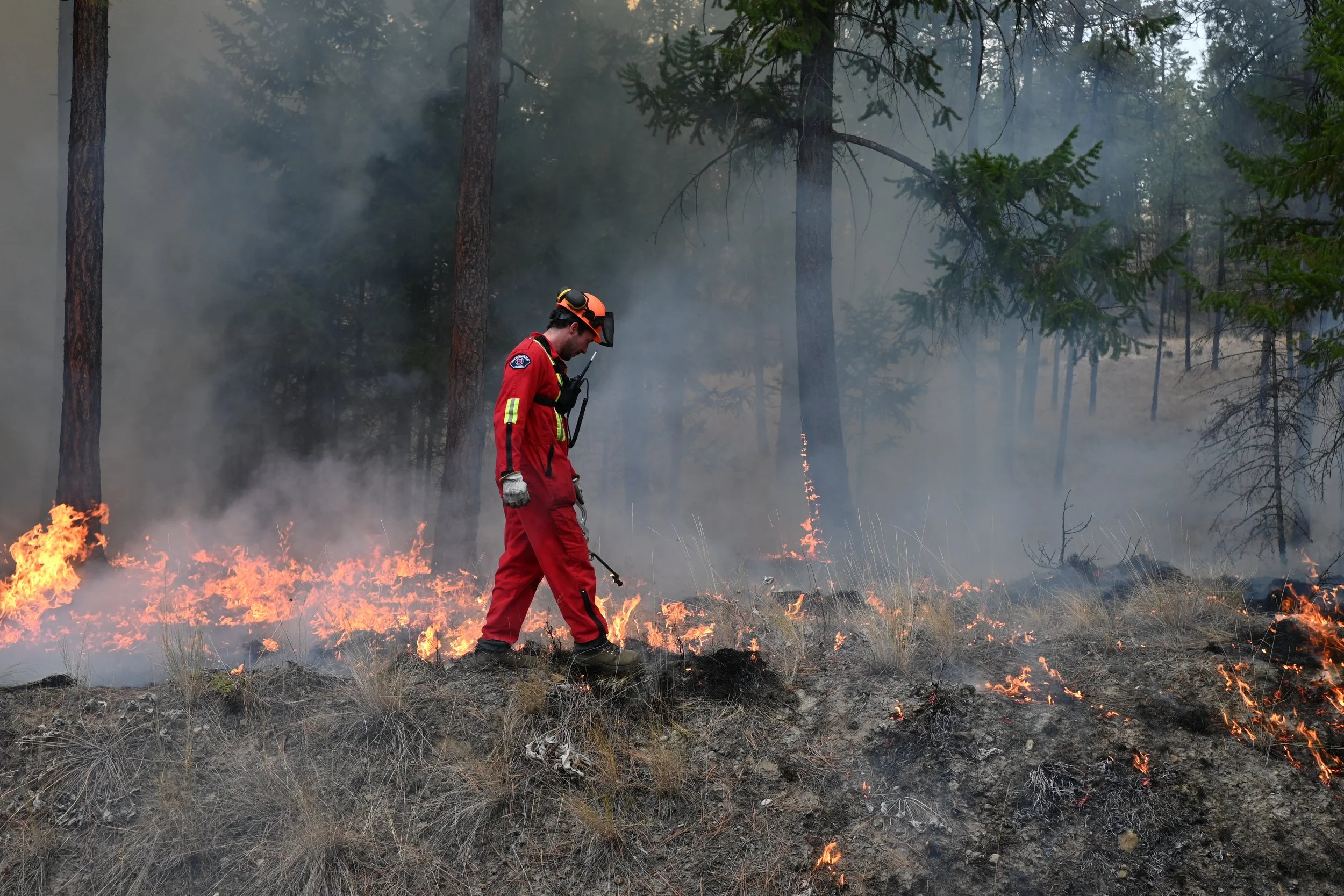
It’s Burn Day!
This exercise puts prediction into practice. You’ll apply what you’ve learned about fuel type C-7, fire ecology, and burn severity to design and brief a controlled burn that meets real operational and ecological objectives. By interpreting outputs like rate of spread, flame length, and intensity class, you’ll connect numbers to field decisions and communication with your team. To help you keep building skill and confidence, three additional practice scenarios with answer keys are included to strengthen your ability to produce primary outputs and deliver clear, relatable fire behaviour briefings

Wildland Urban Interface Challenge
This exercise builds your ability to apply prediction skills to complex, high-risk wildland–urban interface (WUI) conditions. You will analyze changing fuels, topography, and weather to anticipate how a fire will behave as it moves from mature pine (C-3) into a dense plantation (C-6). You’ll practice interpreting rate of spread, flame length, and fire type, assess when suppression is effective, and identify key decision points for safety, control, and structure protection. This exercise strengthens situational awareness and supports the development of clear, confident fire behaviour briefings that connect analytical outputs to real-world WUI operations.
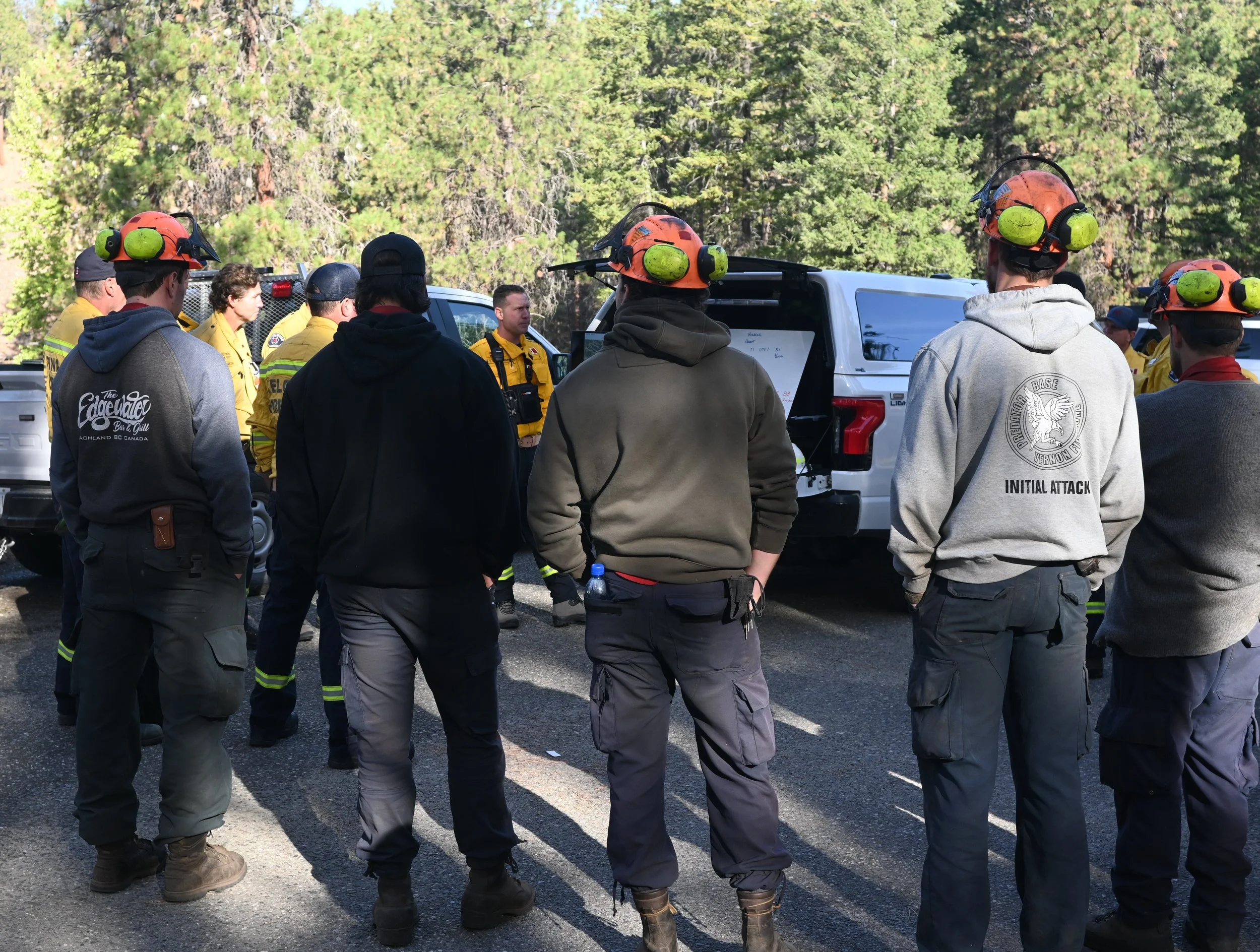
Strike Team Leadership
This Strike Team Leader fire behaviour analysis and briefing exercise builds advanced prediction and communication skills for operational leaders. You will use real forecast data and the Red Book to assess fire behaviour across multiple fuel types and time periods, interpret primary outputs, and translate those results into tactical decisions. The exercise reinforces situational awareness, risk assessment, and briefing skills that connect analytical predictions with safe, effective crew operations. It’s designed to strengthen your ability to anticipate changing conditions, recognize limits of control, and communicate clearly under dynamic wildfire environments.

Big Change Factors
This Big Change Factor exercise builds your ability to recognize when small shifts in weather, fuels, or topography can rapidly escalate fire behaviour. Using forecast conditions, CFFDRS tables, and Red Book guidance, you’ll calculate primary outputs and identify when a surface fire is likely to transition to crown fire. The exercise reinforces advanced prediction skills, situational awareness, and the ability to anticipate thresholds of control for safer, more informed decision-making.