COURSE OBJECTIVES
RX-310 Introduction to Fire Effects is a self-paced online course that explores how fire interacts with ecosystems across Canada and the United States. Built on and aligned with NWCG standards to meet their and BCWS’s certification requirements, this 30-hour learning experience blends current case studies, exercises, short videos, and podcast-style discussions featuring insights from wildland fire practitioners and researchers from across the USA and Canada.
You will develop the knowledge and skills to recognize and communicate relationships between fire regimes and fire effects, understand how fire treatments influence ecological outcomes, and learn how to manipulate prescribed fire to achieve desired effects. Along the way, you’ll explore real examples of fire at work, from coastal forests to prairie grasslands, while using the latest tools, techniques, and monitoring approaches to connect science with practice.
This course can be put towards certifications in single resource positions required by various agencies across Canada and the USA, but don’t dive in because it’s a checkbox you need to mark off. Take the time to be curious and reflect on the material so you can connect fire to your planning and post-fire response.
At the successful completion of this course, you will be able to:
1. Demonstrate an understanding of fire as an ecological process using the concepts of fire regimes and fire effects at multiple scales.
2. Identify realistic management solutions in an adaptive management framework.
3. Communicate effectively with fire and resource professionals based on a common understanding of fire effects.
4. Demonstrate an understanding of how fire management related resource issues interact.
5. Demonstrate an understanding of how to manipulate treatments to achieve desired first order fire effects.
What to expect in the course
Self-paced and flexible: Learn when it works for you, no pressure. Whether you’re on duty, in the field, pulling a night shift or catching up on a rainy day, you set the pace.
You’ll also get real field examples, visuals, readings, and plenty of practical exercises and reviews to keep it grounded in practical fire work.
Your Student Manual: Download it right from the course and use it to follow along, make notes, and track your understanding as you go. Many participants print it and keep it handy for burn planning or field reference. There is a lot more (and detailed) information in the manual than the videos.
This is an information based only course that will provide you with the content needed to support your training in fire effects monitoring, which can be learned on the job or through fire effects monitoring courses and workshops.
Ignore the reviews about avatars - that was the old version. This course has been updated with videos from one of the friendly faces below. There are no avatars.
To meet NWCG standards, there is a final exam. It’s multiple choice, open book and you get a few tries. No one has failed. You’ll be fine!
Cost is $245 CAD.
If you are looking for a course in fire effects monitoring, check out the Fire Effects and Treatment Monitoring Workshop (next one June 2027) or the Association for Fire Ecology events page.
If you are looking for a course about the Fire Effects Monitor burn day position, contact BCWS CRx or the Wildland Fire Learning Portal to learn about courses in your area for S-244 FOBS/FEMO. Alternatively, complete an online version through the University of Idaho.
RX-310 is complementary knowledge to both courses and a requirement for most prescribed fire leadership roles.
Dates
This is a self-paced, online course with no expiry date for access. This means you can enroll whenever you want and move through it whenever you want. Initially you’re given six months to complete it, but please let me know if you need an extension. Alternatively, if you’re an employer or supervisor who wants a shorter time frame for your staff, I can adjust this.
_____________________________
RX-310 Cohort and Agency Enrollment
Need RX-310 for a group? I can support batch enrolment, invoicing, and optional live sessions that help connect the online course material to your agency’s fire management program, monitoring needs, or field application.
Contact me to talk through what would work best.
Instructors
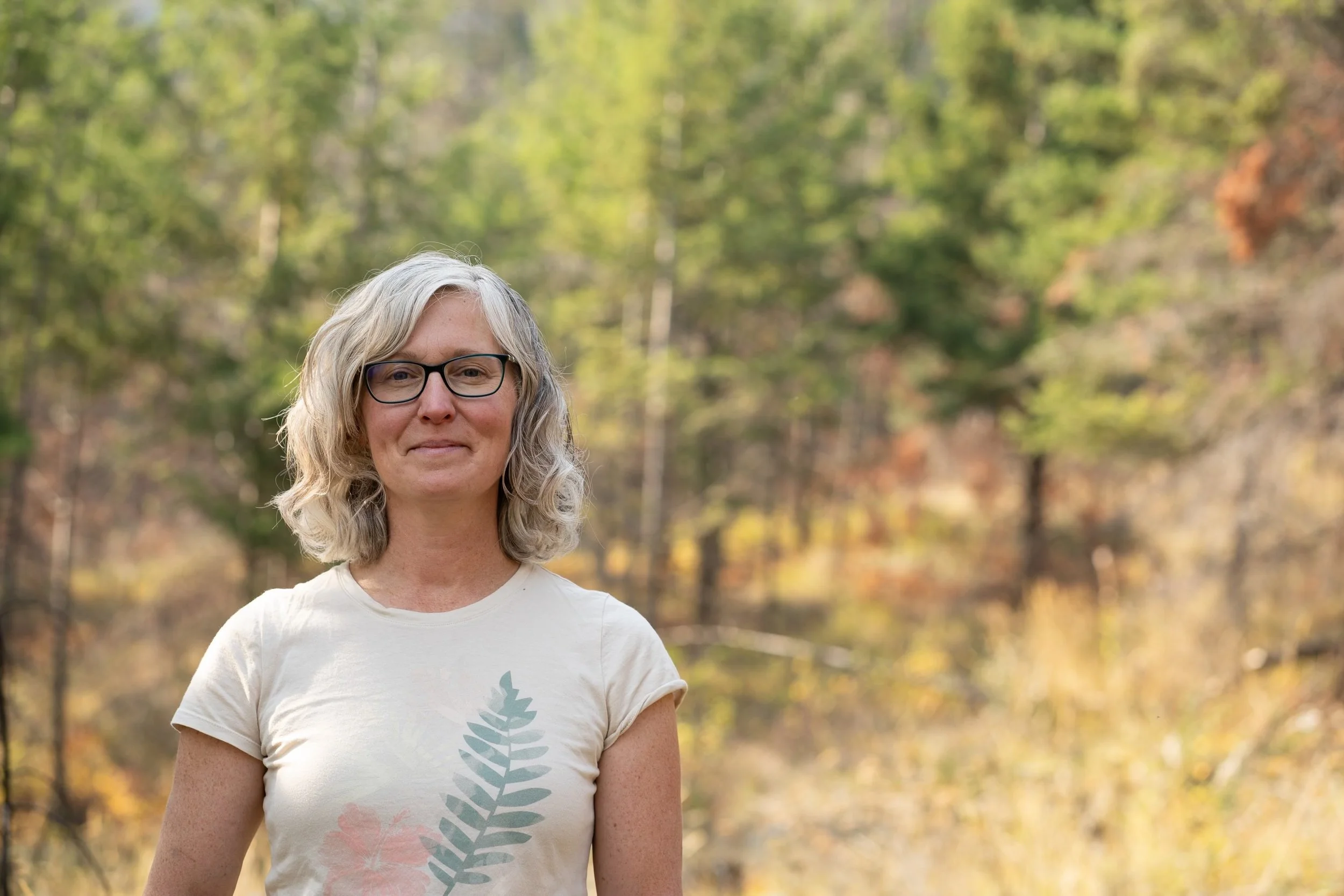
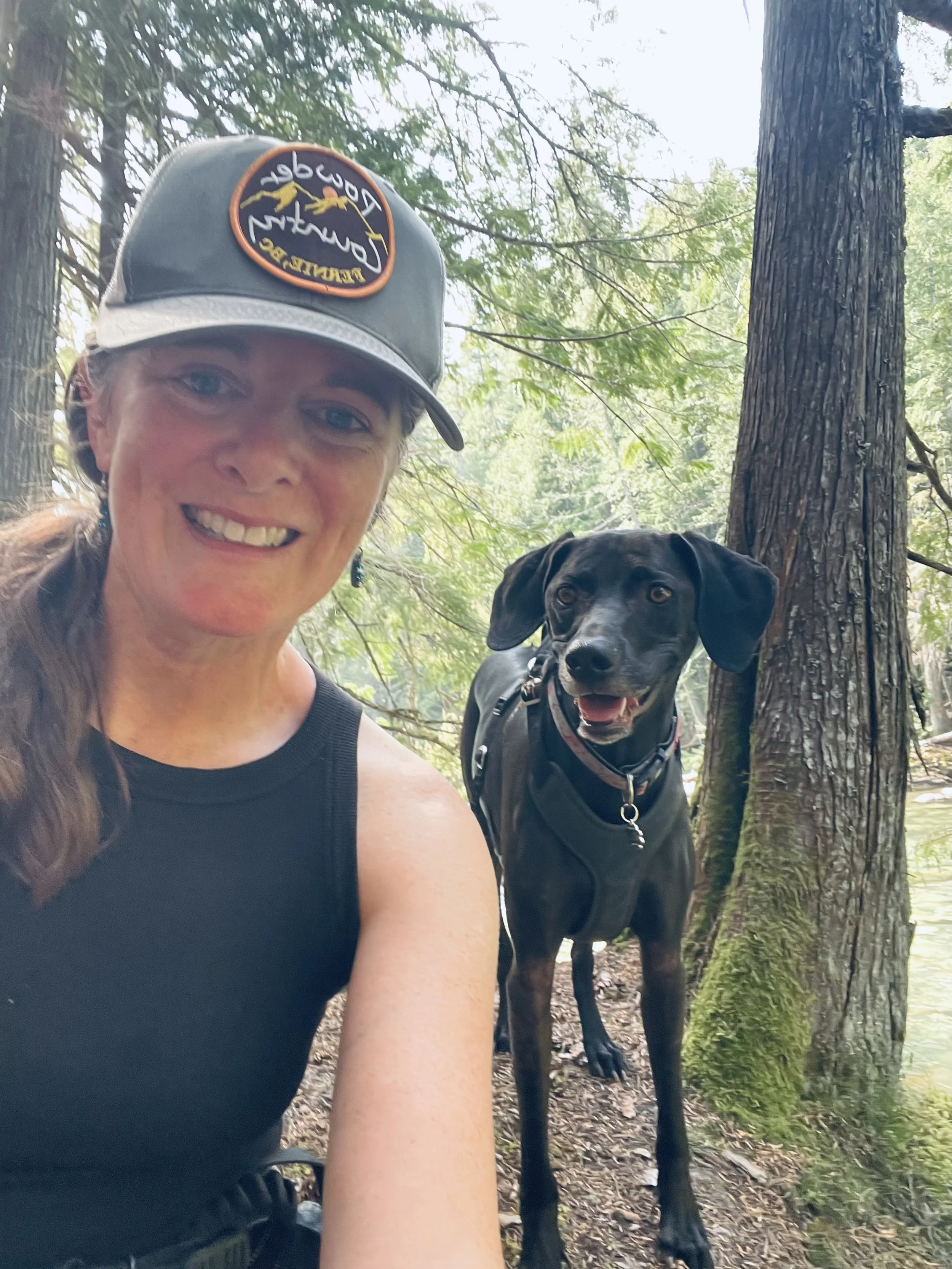
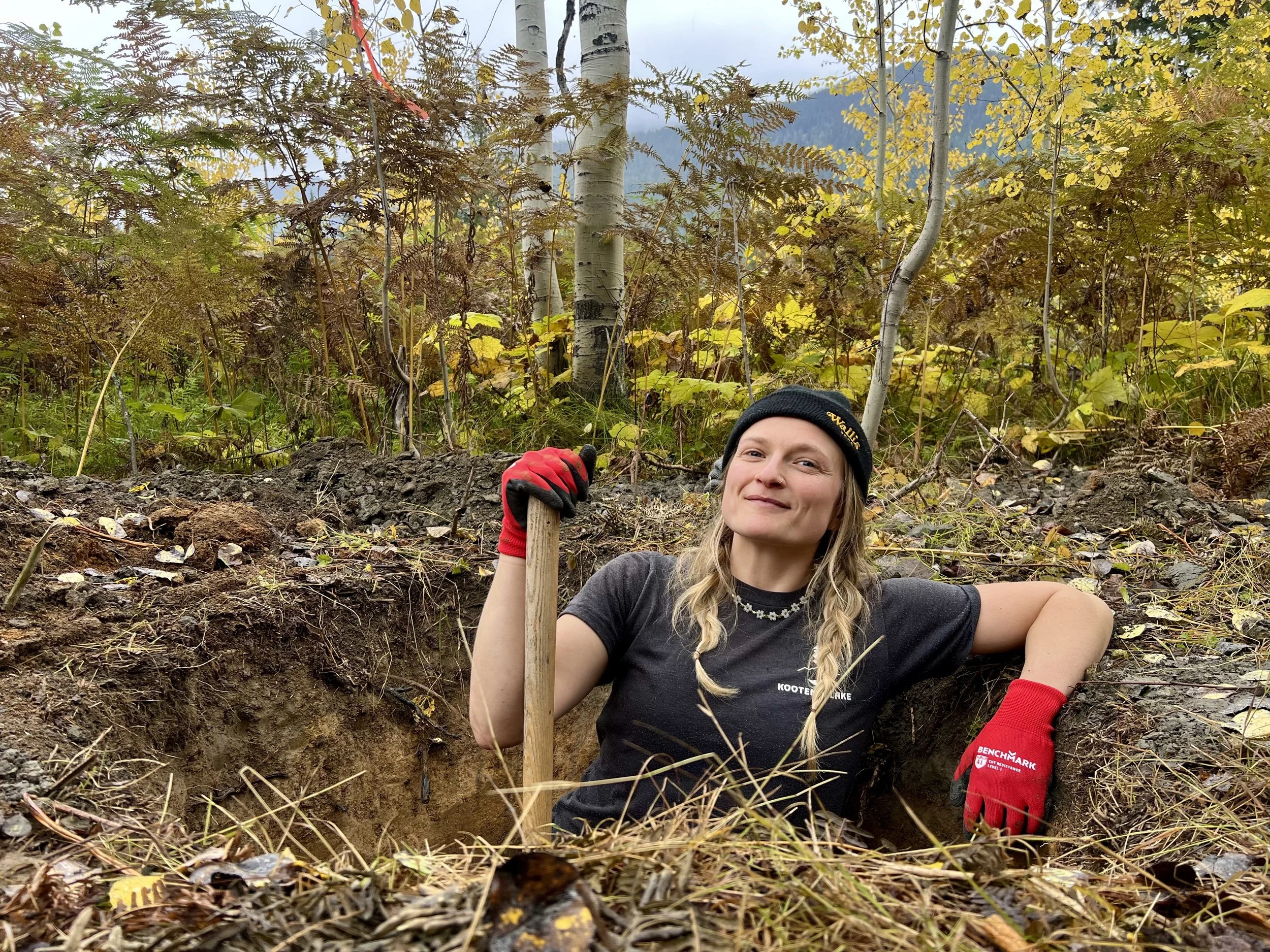
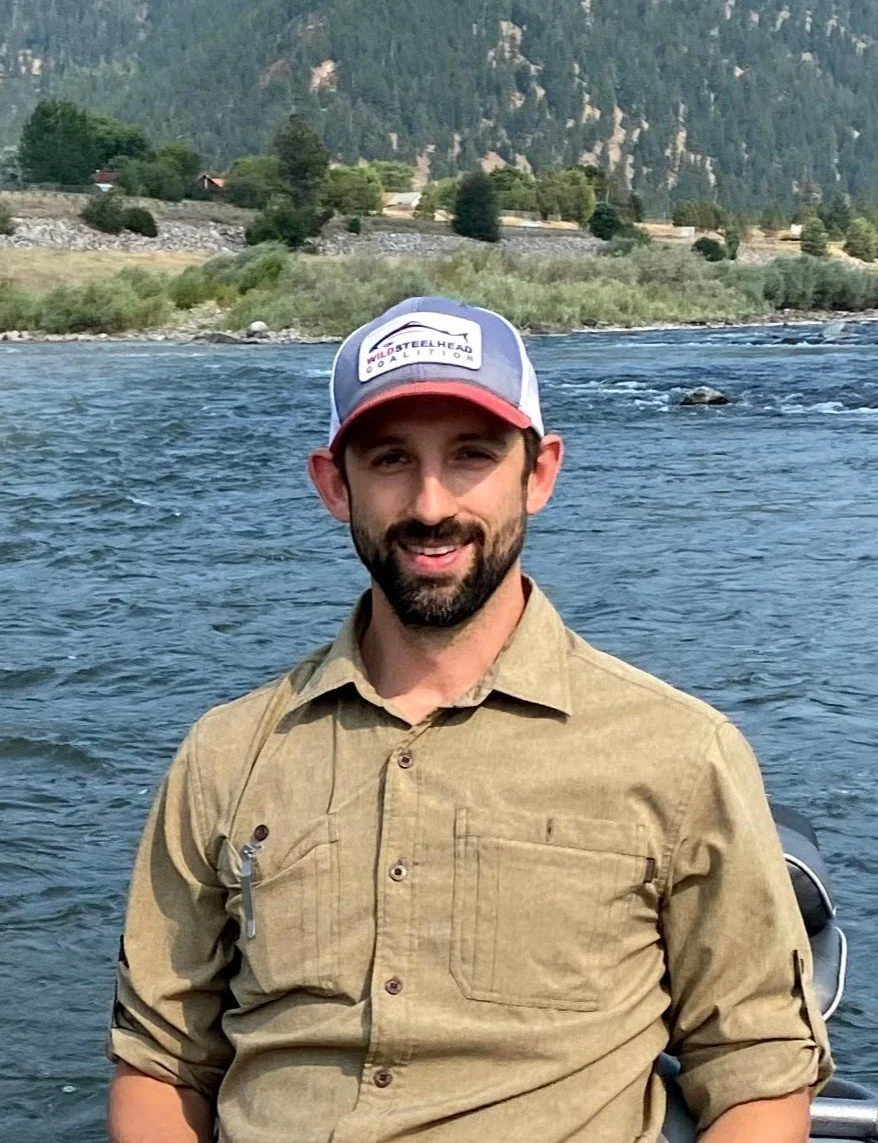
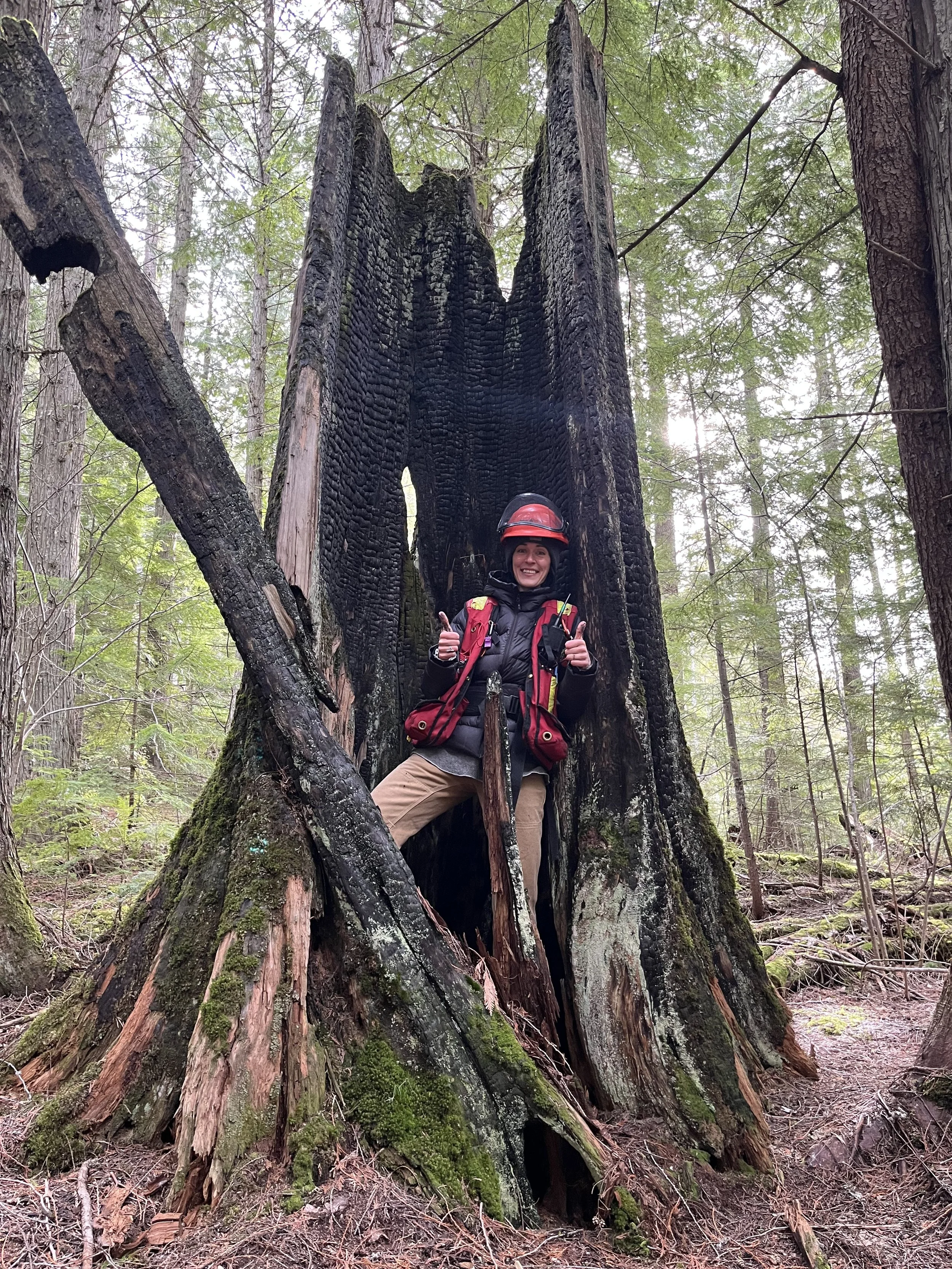
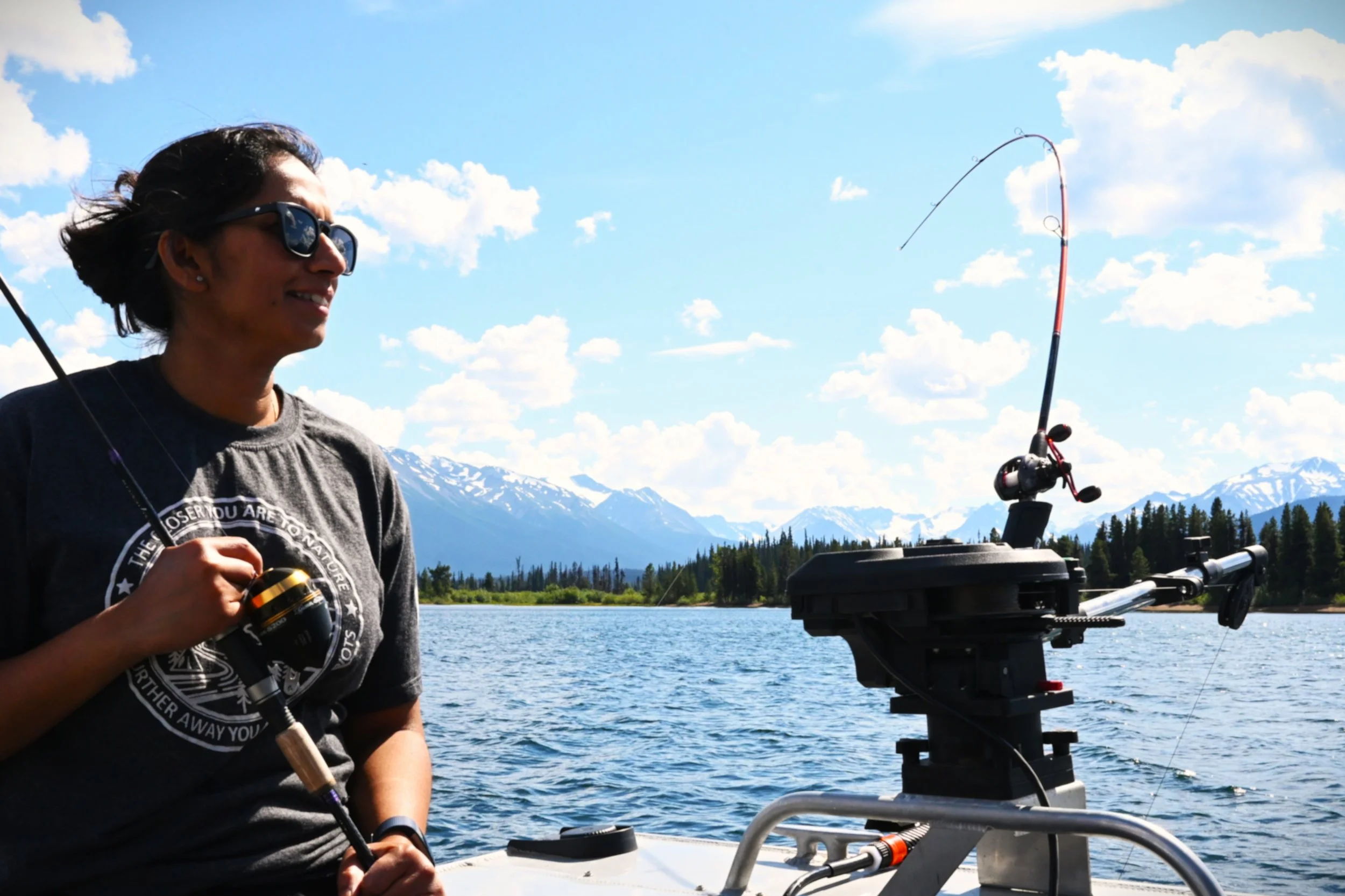
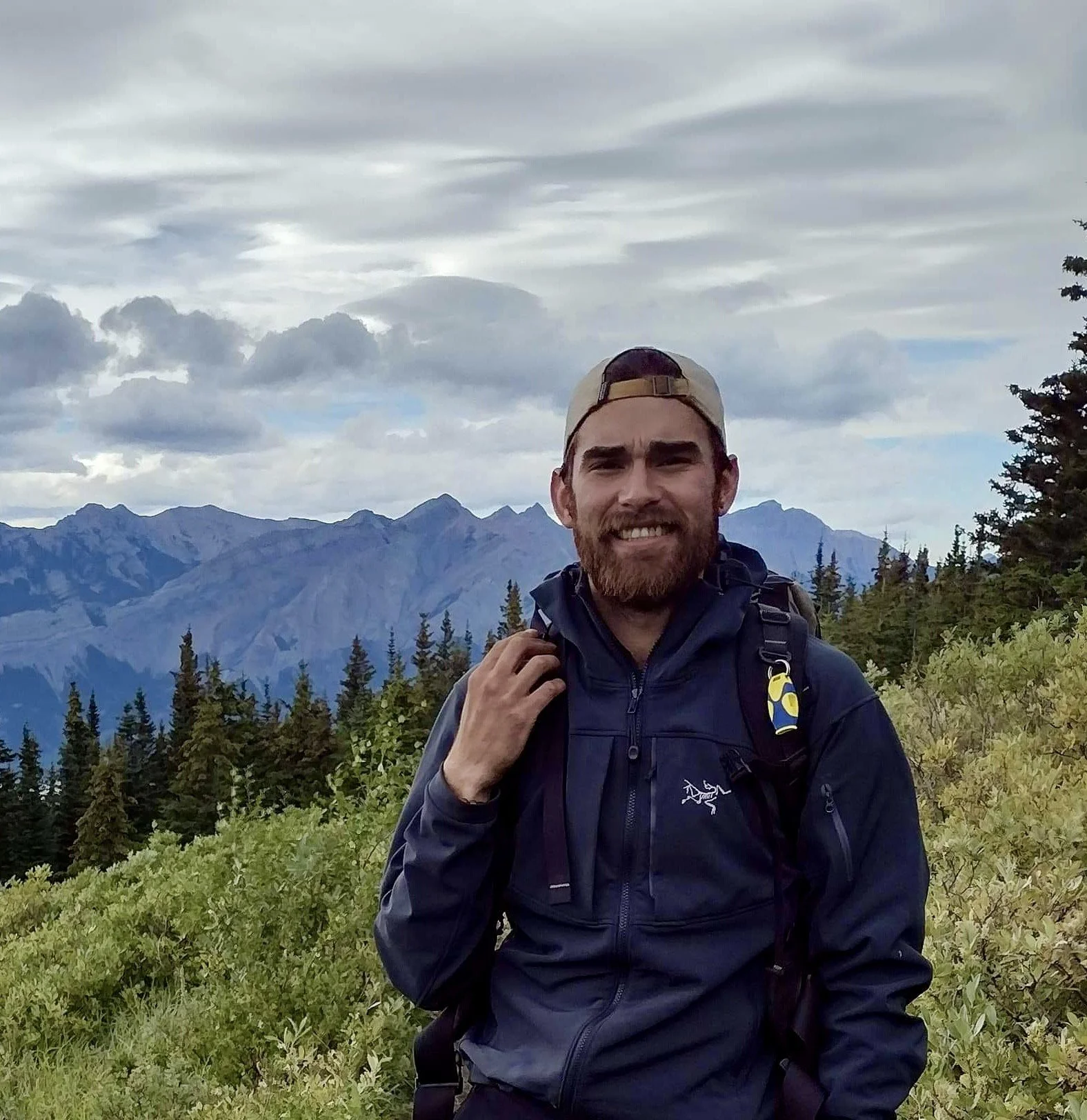
Jacquie Rasmussen is a Professional Agrologist consultant, specializes in project management, outreach and education, field data capture (primarily plants), and community partnerships. She’s committed to reconciliation with help from her St’át’imc partners and has experience in invasive species management, watershed restoration, agriculture planning, and prescribed burning. She lives in Lillooet with her husband and two dogs, enjoying outdoor activities like mountain biking, hiking, and paddling.
Colleen Ross is a fire ecologist and burn boss with 30 years of experience in wildfire management, fire behaviour, and fire effects monitoring across western North America. She has worked with agencies including the U.S. National Park Service and has extensive experience in prescribed fire planning, ecosystem restoration, fuels management, and post-fire monitoring. Colleen teaches nationally recognized wildfire and prescribed fire courses with a practical focus on applying fire ecology and fire effects principles to real world fire management and ecosystem restoration projects.
Chloe Kuch is based in Nelson and is a Forester in Training and an aspiring fire practitioner with a keen focus on wildfire management and prescribed fire. Her fascination with fire and the many ways it shapes the landscape first led her into fire suppression and has since evolved into a passion for prevention and mitigation, including ecosystem restoration. Drawing on her experience in operations, she now applies that knowledge to designing prescribed burns and to building capacity for more prescribed burning throughout the province.
Todd Penke is a Director with Biodiversity Pathways, a non-profit wildlife research organization. He works with First Nations, Governments and other organizations on applied research tied to wildlife and habitat. Part of his work focuses on the return of prescribed fire to the landscape with Yaq̓it ʔa·knuqⱡi'it First Nation to help improve habitat for culturally important wildlife while also reducing the risk of high severity wildfire.
Mandy Croppo is based in the West Kootenays and is a Forestry Instructor at Selkirk College, Registered Forest Technologist, and lifelong learner with a keen interest in forests and fire. Her career began in structural firefighting and paramedicine before moving into wildland fire and eventually forestry, giving her a unique perspective on wildfire and forest management. She teaches silviculture, forest policy, resource measurements, and applied research, drawing on her diverse operational experience, and is passionate about inspiring the next generation of forest professionals. Building on her fire background, she is expanding her involvement in fuel management planning, prescription development, and prescribed burning, with a growing interest in fire ecology and landscape fuels management. Outside of work, she can be found trail running, mountain biking, backpacking, and exploring the forests and mountains of the West Kootenays.
Daniella Oake is a forestry planning and resource management professional with experience in operational planning, stakeholder engagement, regulatory processes, and project coordination. She has worked with government, Indigenous communities, industry partners, and local stakeholders to support sustainable resource management and informed decision-making. Her experience spans both field and office environments, giving her a practical understanding of how planning decisions translate into on-the-ground outcomes. Known for her collaborative style and balanced approach, Daniella combines strategic planning expertise with operational experience to support responsible resource development and long-term community benefits.
Carter Kuiper is an Indigenous scientist and a member of the Bigstone Cree Nation. He is based in Creston and the Environmental and Community Sustainability Coordinator with Yaqan Nukiy (Lower Kootenay Band). He previously worked with the Wildfire Analytics Lab at the University of Alberta researching fire exposure, wildfire risk reduction, and telecommunication vulnerabilities to wildfire. He has worked with Indigenous Services Canada and Transport Canada performing GIS analysis and wildfire exposure assessments. Carter is dedicated to bringing cultural fire back to the landscape and has developed an immense passion for fire ecology over the course of his career.
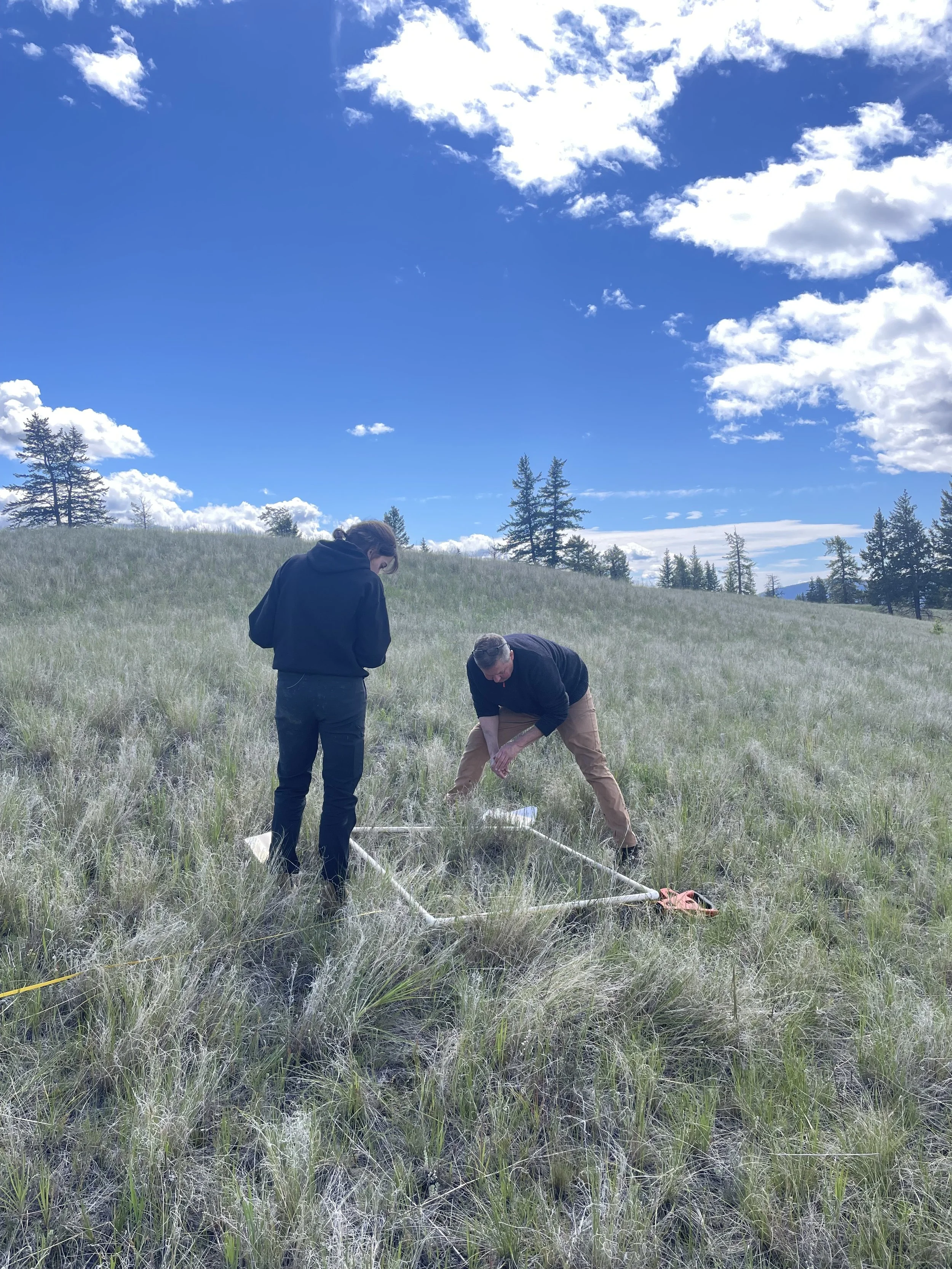
Participant Feedback (Sep 2026 edition)
“Very engaging, slides throughout the course were engaging and well put together. Having multiple instructors lead different sections, made it interesting and helped. Overall one of the best courses I have done. Thank you.” - City of Edmonton employee
_______________________________
Old Version Participant Feedback
Participant feedback from learners with the BC Ministry of Forests and BC Wildfire Service has helped shape updates to RX-310, including new course content, practical exercises, case studies, and applied examples.
Overall, participants described the course as practical, engaging, easy to follow, and directly relevant to prescribed fire, wildfire, cultural burning, and land management. They valued the strong ecological foundation, real-world examples, useful course materials, and the connection between fire effects, planning, monitoring, and field application.
Feedback has been incorporated into the updated course content to better reflect the diversity of ecosystems, operational settings, and fire management challenges across Canada and the USA. Thank you to everyone who shared their time, insight, and field experience.
See full reviews on Thinkific.